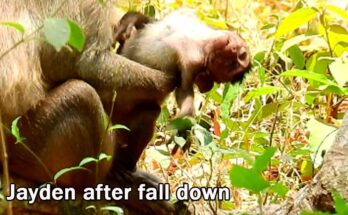
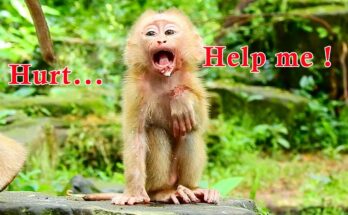
Real life daily monkeys live among us in ways that are often unseen until a moment of need brings humans and animals together. On the morning of 28th December, a simple act of kindness became part of one such story, when help was given to a monkey named Nori. Monkeys usually begin their days early, moving through familiar paths in search of food and safety. Their routines are shaped by habit, memory, and the close presence of family members. Observing these daily rhythms helps us understand that monkeys are not visitors in our world, but long-time neighbors sharing the same spaces and challenges.
In their everyday lives, monkeys rely heavily on their social groups. Each member plays a role, whether it is watching for danger, caring for the young, or guiding the troop toward food. When one monkey is injured, the impact is felt by the entire group. Injuries can happen for many reasons, including sharp objects, falls, traffic, or human-made hazards. On that December morning, Nori’s injury was a reminder of how fragile life can be for animals living so close to human environments. The decision to step in and help reflects compassion and responsibility toward wildlife.
Helping an injured monkey requires calmness, patience, and respect. Monkeys are intelligent and sensitive, and fear can easily make a situation worse. Applying medical care and cleaning an injury is not just a physical act; it is also an emotional one. It shows understanding that pain is universal, regardless of species. As Nori received care, the moment became more than a rescue—it became a connection between humans and nature. These actions demonstrate that coexistence is possible when empathy guides behavior.
Daily monkey life is usually filled with movement, play, and learning. Baby monkeys chase one another, adults groom in quiet moments, and elders observe from safe spots. When an injury interrupts this rhythm, it affects the monkey’s ability to eat, move, and stay with the group. By cleaning Nori’s injury and applying medical help, a chance was given for recovery and return to normal life. These moments matter deeply, even if they seem small in the larger world.
Such acts of care also send an important message to others. Videos showing help rather than harm can inspire viewers to treat animals with kindness. In a world where wildlife videos often focus on entertainment, seeing real help given in real time reminds people that animals are living beings with real needs. The morning of 28th December became an example of how awareness and action can make a difference. It shows that helping does not always require big resources—sometimes it only requires attention and compassion.
Monkeys, like humans, remember experiences. A moment of safety can change how they respond to people in the future. When care is given gently and respectfully, it reduces fear and builds trust. Nori’s experience highlights the importance of responsible interaction with wildlife. Helping an injured animal should always be done with care, avoiding stress and respecting natural behavior. This balance is key to protecting both animals and humans.
In the end, real life daily monkeys are part of an ongoing story of survival, adaptation, and shared space. The help given to Nori on the morning of 28th December is one chapter in that story. It reminds us that kindness is not limited by species and that small actions can have lasting effects. By choosing to help, clean an injury, and apply medical care, people showed respect for life and responsibility for the world they share. These moments define what it truly means to live alongside nature with compassion and care.